Deux Roches (Collovray et Terrier)
Quails’ Gate
Tantalus Vineyard
JoieFarm Winery
Deux Roches (Collovray et Terrier)
Burgundy, France
About Deux Roches (Collovray et Terrier)
Our story is like a quartet theme: two friends who married twos sisters: Christian and Brigitte Collovray and Jean-Luc and Florence Terrier. Springing from our friendship and our common passion for wine, we have together over 30 years, forged a unique bond between Burgundy and Languedoc.
Deux Roches is located in Maconnais, in the heart of AOP Saint-Veran and Pouilly-Fuissé between the majestic rocks of Solutre and Vergisson.
Altugnac is in the foothills of the Pyrenees, where the vines grow amidst garrigue and woodland, where the days are sun-filled and the nights are cool, and the Atlantic and the Mediterranean winds meet, cooling and purifying the grapes.
Representative Biography
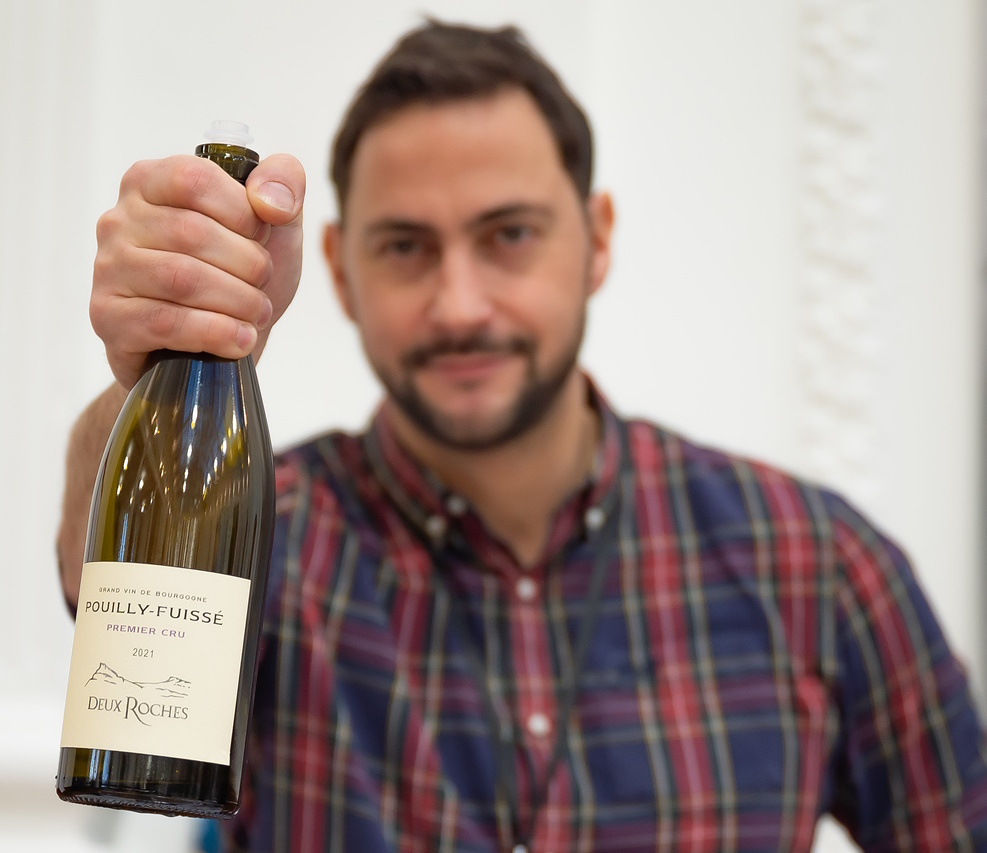
Romain Bourgeois, Sales Export Manager
Born and raised in Burgundy, Romain has developed his passion for the world of wine in his twenties and definitively joined the industry at aged 28. After he worked in different vineyards and cellars in Burgundy, he spent two years abroad on a French island off Newfoundland and in Oregon both selling and making wine. He came back in 2018 to become brand ambassador for the Collovray & Terrier family-run wineries. Specializing in the US and Canadian markets, the I4C celebration is a great opportunity for Romain to share his passion for cool climate Chardonnay.
Why We're Cool
The Macon region is renowned for its deep and active limestone originating from the two rocks of Solutré and Vergisson both culminating at 500 meters, giving the wines their great balance of minerality and fresh crispiness.
Burgundy weather is perfect for Chardonnay with sufficient amount of rain in spring and high temperature gaps during day and night in summer season, which is perfect for the maturation of the grapes.
The winemaking process follows the Burgundy tradition with a slow and gentle pressing, a cool clarification of the juice before alcohol and malolactic fermentation in oak barrels or stainless steel tanks.
The wines age on their thin lees until the next spring and can be stirred depending on the vintage.
We never use more than 15 % of new barrels as we only want the oak to bring some structure and texture to the wines rather than oaky notes that would break our cool climate Chardonnay profile.

Quails’ Gate
Okanagan Valley, British Columbia , Canada
About Quails’ Gate
Nestled in the breathtaking Okanagan Valley in the southern interior of British Columbia, Quails’ Gate Winery is situated on the slopes of Mount Boucherie, an ancient volcano. Our lakefront estate is renowned for producing premium, award-winning wines and providing memorable guest experiences.
A visit to Quails’ Gate is both an exploration of the senses and an experience to be savoured. There’s a reason it’s known as one of the must-see wineries in the region. Our passion for making great wines is matched only by our dedication to ensuring every visit is a unique and memorable one.
We are an industry leader in viticulture and place significant emphasis on the development of exceptional wines through extensive research of new varietal clones, canopy management techniques and crop control, which is used to significantly reduce yields and concentrate fruit flavours. We produce ultra-premium BC VQA (Vintner’s Quality Alliance) and internationally recognizable wines with a focus on Pinot Noir and Chardonnay.
The Quails’ Gate estate was established in 1956, but our love affair with the soil dates back to 1908, when Richard Stewart Sr. settled in the area. From working the land, he would go on to establish one of the valley’s most successful nurseries. Six decades later, his son, Dick, switched over to growing grapes. With the help of Dick’s eldest son Ben, Quails’ Gate Winery was founded in 1989. Over the next three decades, the entire family became involved in making the company one of the leading producers of premium BC VQA wines.
Representative Biography
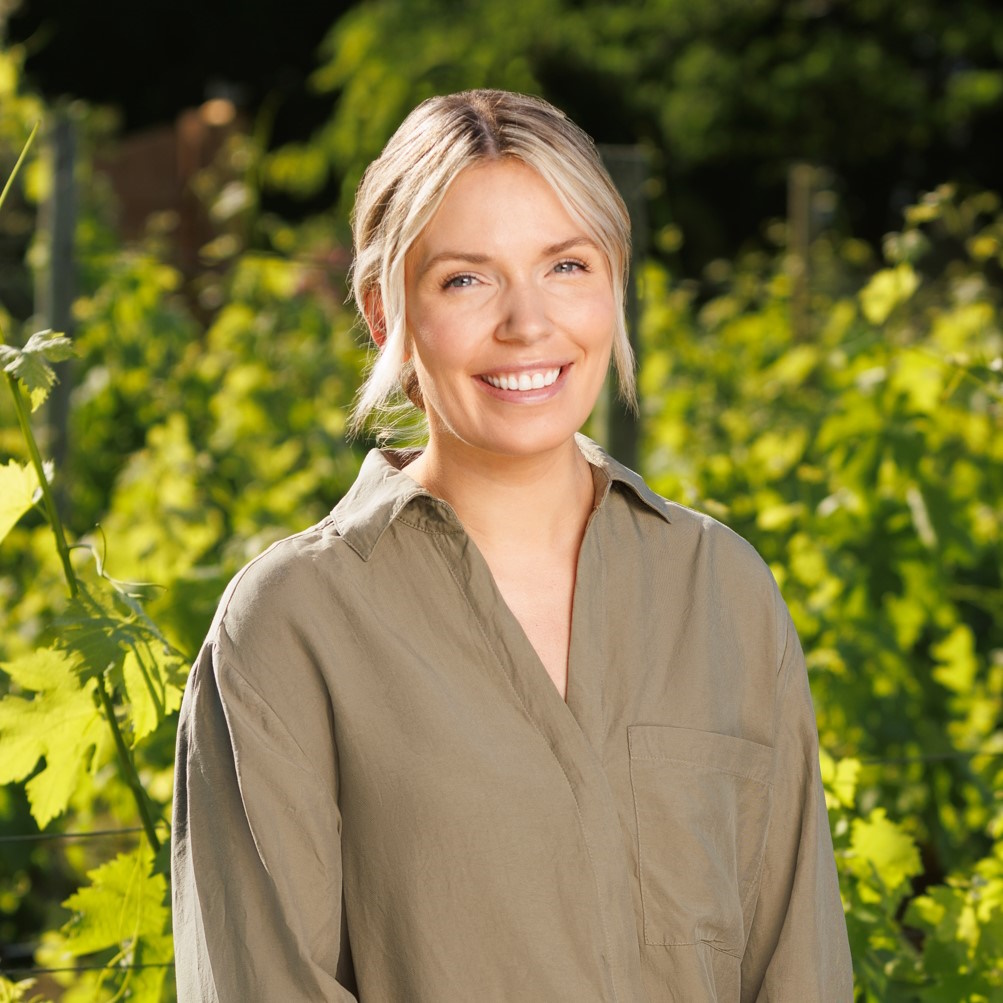
Kailee Frasch, Winemaker
A Kelowna native, Kailee graduated from UBC Okanagan with a Microbiology degree and after experiencing harvest as a Cellar Hand, travelled east to study Oenology and Viticulture at Brock University. Starting as a lab technician at Quails’ Gate, she was quickly promoted to Oenologist, Assistant and Associate Winemaker, honing her skills with a stint making cool-climate Pinot Noir in Central Otago.
Why We're Cool
Chardonnay is the Queen of their white varietals. While it is widely planted in many wine regions around the world, it takes the right terroir, viticultural and winemaking influences to capture the true essence of the varietal.
Chardonnay was first planted in the Quails’ Gate Estate vineyards in 1987. Additional planting of imported French clones occurred in 1996 and there are now more than seven clones in the Estate vineyard. Clonal diversity is very important to producing a quality Chardonnay as each one offers a new dimension to both the viticultural and winemaking process. Vine age is also becoming a key factor in producing consistent, outstanding vintages as with each passing year we see more flavours emerging that define their place of origin and the soils in which they were grown.
VINEYARDS AND SUSTAINABILITY
As a fourth-generation Okanagan farming family and third-generation family farming wine business, we’ve been able to research the best selection of vines for the Okanagan Valley and the best techniques to grow them. This has given the winery some of the most mature vinifera plantings in Canada along with the most extensive selection of mature Dijon Pinot Noir clones.
As industry leaders in sustainability and environmental stewardship, we take seriously our commitment to responsible farming. We have a tradition of using low-impact viticulture practices and our philosophy is to do more with less, employing a holistic ecosystem management approach to grape growing. In 2022, our vineyards were certified by Sustainable Winegrowing BC, a made-in-BC program that leads the way in sustainable winegrowing practices setting a standard for the province and the rest of the country.
Latitude = 49.8° N
Elevation = 440 m
Year Oldest Clone Planted = 1987
First Clones Planted = UC Davis
Recent replanting of 100 acres as part of long-term vineyard strategy.
Introduction of new Pinot Noir clones (165, 943, 1185, 521) and Chardonnay clones (1067, 1068).
“Thousand series” clones isolated late 2000s–mid 2010s — cutting-edge plant material, with plans to be one of the first in Canada to plant them.
FPS Chardonnay clones (100 FPS, 37 FPS) isolated in Saanich; potential for cold hardiness and strong sparkling attributes.
Continued replanting of proven Dijon clones (Pinot Noir 828, 115, 777; Chardonnay 76, 95, 548).
Total Plantings = 50 acres
% of Overall Production = 15%

Tantalus Vineyard
Okanagan, BC, Canada
About Tantalus Vineyard
Tantalus Vineyards is situated in Southeast Kelowna on British Columbia’s oldest continuously producing vineyard. Originally known as Pioneer Vineyards, the site was first planted to table grapes in 1927.
Today, 1978 plantings of Riesling and 1985 plantings of Pinot Noir, Chardonnay and Pinot Meunier make up the backbone of the 75-acre estate.
Tantalus’ sleek and modern facility was opened in March of 2010 and has the distinction of being British Columbia’s first and only LEED-certified winery.
Representative Biography
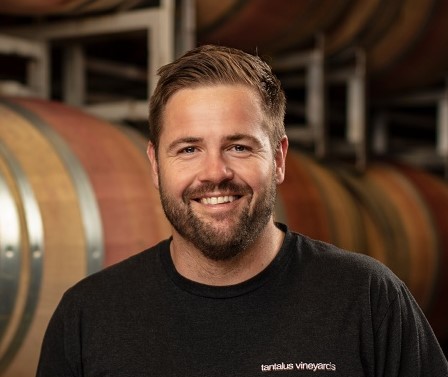
David Patterson, Winemaker & General Manager
As Tantalus' General Manager and Winemaker, David Paterson brings a unique blend of Kiwi roots and Canadian ties to the world of winemaking. Born in Vancouver but raised in New Zealand, he earned his winemaking degree from Lincoln University in Christchurch, NZ. After gaining hands-on experience at Neudorf Vineyards in the local NZ industry, David embarked on a global wine journey, refining his craft at established wineries in both hemi-spheres.
Throughout his international adventures, David had the privilege of learning from esteemed mentors, including Anna Matzinger at Oregon's Archery Summit, Blair Pethel at Burgundy's Domaine Dublère, and Stephen Henschke and Paul Hampton at South Australia’s Henschke Cellars.
With a wealth of knowledge accumulated from these diverse experiences, David joined Tantalus in 2009, stepping into the role of winemaker. With several successful vintages under his belt, David took on the additional role as GM in 2016.
“I love cool climate Chardonnay because it expresses terroir so well, and when handled gently, it undeniably showcases some of those great pillars of wine: minerality, elegance and ageability.” David Paterson
Why We're Cool
At Tantalus we have always strived to express vintage and vineyard in all our wines, and as a single-vineyard producer, we are fortunate that our site provides us with the ideal growing conditions for high quality, cool climate Chardonnay.
Situated in South East Kelowna on a western aspect, our property features three unique blocks of Chardonnay – each one farmed, harvested and fermented separately.
At Tantalus, we have always aimed to express both vintage and vineyard in all our wines. Located in Southeast Kelowna on a 75-acre, west-facing slope, our estate property includes three distinct Chardonnay blocks, each farmed, harvested, and fermented separately to capture their individual character.
Our home vineyard Chardonnay (of the East Kelowna Slopes sub-GI) spans just over 10 acres, planted between 1985 to 2014 with a mix of early unknown clones, alongside Dijon clones 76, 95, 548, and the Wente selection. This diversity of vine age and clonal material on our cool, elevated site imparts natural acidity, texture, and layered complexity to the wine.
Alluvial, granite-based soils express structure and minerality in our wines, while large diurnal temperature shifts in the valley ensure great ripening conditions without losing the bright acidity that we strive towards. In the cellar we employ mainly wild fermentation, extended lees contact and little to no additions. No batonnage is performed after primary fermentation and malolactic fermentation takes place only when it occurs naturally.
Oak regimes vary across our Chardonnay tiers, with a selection of 100% French barriques and puncheons in the cellar.
JoieFarm Winery
Okanagan Valley, British Columbia, Canada
About JoieFarm Winery
JoieFarm is a small, independently owned winery on the Naramata Bench in British Columbia’s Okanagan Valley. Named for the French word meaning “joy,” Joie expresses the pleasure that wine and food bring to life.
Over the past 20+ years, we’ve built our reputation on crafting expressive, food-friendly wines rooted in a sense of place. Our focus has always been on aromatic whites, mouth-watering rosé, and cool-climate Burgundian varietals like Pinot Noir and Chardonnay. We’re proud to be part of a new Canadian wine culture—one that values thoughtful farming, minimal intervention, and a deep connection between wine and cuisine.
Today, we continue to evolve, embracing innovation and sustainability while staying true to the values that shaped us: balance, brightness, and joy in every bottle.
Representative Biography
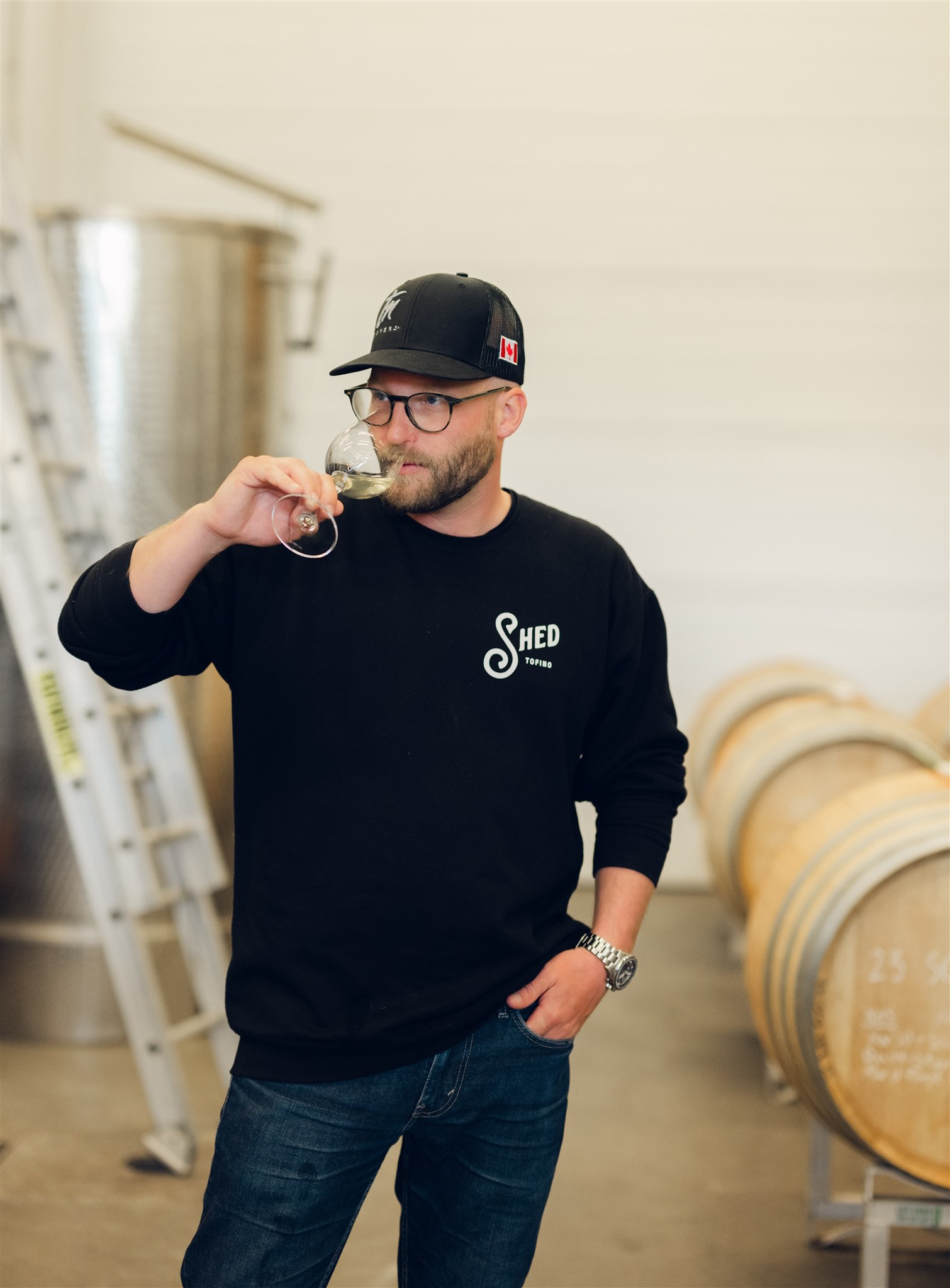
Richard Charnock, Executive Winemaker
Richard Charnock began his winemaking journey in the heart of Prince Edward County, Ontario—one of Canada’s most compelling and challenging cool-climate regions. Working with Pinot Noir, Chardonnay, and aromatic whites in such a marginal environment sparked a deep fascination with the craft, leading him to explore cellar work around the world, including harvests in New Zealand, South Africa, and Tasmania.
These years in the cellar shaped his precision-driven, low-intervention winemaking style—but over time, his curiosity led him closer to the vines. In 2015, he relocated to the Okanagan Valley, enrolled in the viticulture program at Okanagan College, and immersed himself in the day-to-day work of farming.
Richard joined JoieFarm in 2022, where he now stewards both our vineyards and cellar. His approach is rooted in thoughtful viticulture, intentional fermentation choices, and a belief that balance begins in the vineyard. With each vintage, he continues to refine a style that is both deliberate and expressive of place.
“Cool Climate Chardonnay offers this amazing balance between tension and generosity,” says Richard. “You get these long, drawn-out ripening windows where the acidity stays sharp and the fruit just builds in depth—it’s a winemaker’s dream.”
Richard Charnock, Executive Winemaker
Why We're Cool
JoieFarm’s Chardonnay program is rooted in the unique terroir of British Columbia’s Okanagan Valley—a high-latitude, lake-moderated desert with a growing season that stretches well into fall. We work with several vineyard sites across the region, including the Naramata Bench and Skaha Bluff, each offering distinctive microclimates that allow us to highlight different facets of this noble variety.
At 49.5° N, our vineyards benefit from long daylight hours and cool nights that preserve acidity while promoting slow, even ripening. The moderating effect of Okanagan Lake delays bud break in spring and extends hang time in the fall, which gives us the rare opportunity to make multiple picks from the same site—one for freshness, one for flavour, and one for phenolic ripeness. This staggered harvest approach allows us to build structure and complexity from the ground up.
Our winemaking style is low-intervention but deliberate. We ferment using a combination of selected and ambient yeasts in a mix of neutral and new Burgundian oak, depending on the desired style. We lean into full malolactic fermentation for our most prized chardonnay’s, alongside extended lees contact, to create texture and depth. Whether we’re making sparkling, un-oaked, or barrel-aged styles, the goal is always balance—between fruit and acid, freshness and richness, subtlety and power.
Thank you to the i4C 2026 Presenting & Grand Cru Sponsors