Alois Lageder
Cavit
Blomidon Estate Winery
Domaine Laroche
Boschendal Wine Estate
Alois Lageder
Alto Adige, Italy
About Alois Lageder
The winery has been family-owned since 1823 and is now in the hands of the sixth generation. The key principle is Diversity is key. For Alois Lageder, diversity is in focus, it makes for more fertile soil, healthier agriculture and more life, ultimately bringing distinct character to the wines. The approach to viticulture is holistic: with animals in the vineyards, a vegetable garden, experimental creative details and a team with members from over 15 nations. Diversity inspires and challenges in the best possible way.
The wines capture the geographical and artisanal diversity of Alto Adige: fresh, lively and with a clear style. In 2004, the family vineyards began the shift to biodynamic agriculture. As of 2024, all vineyards of their approximately 60 vintner partners are working according to organic or biodynamic methods. Diversity is the basis for sustainable farming and living soils.
Representative Biography
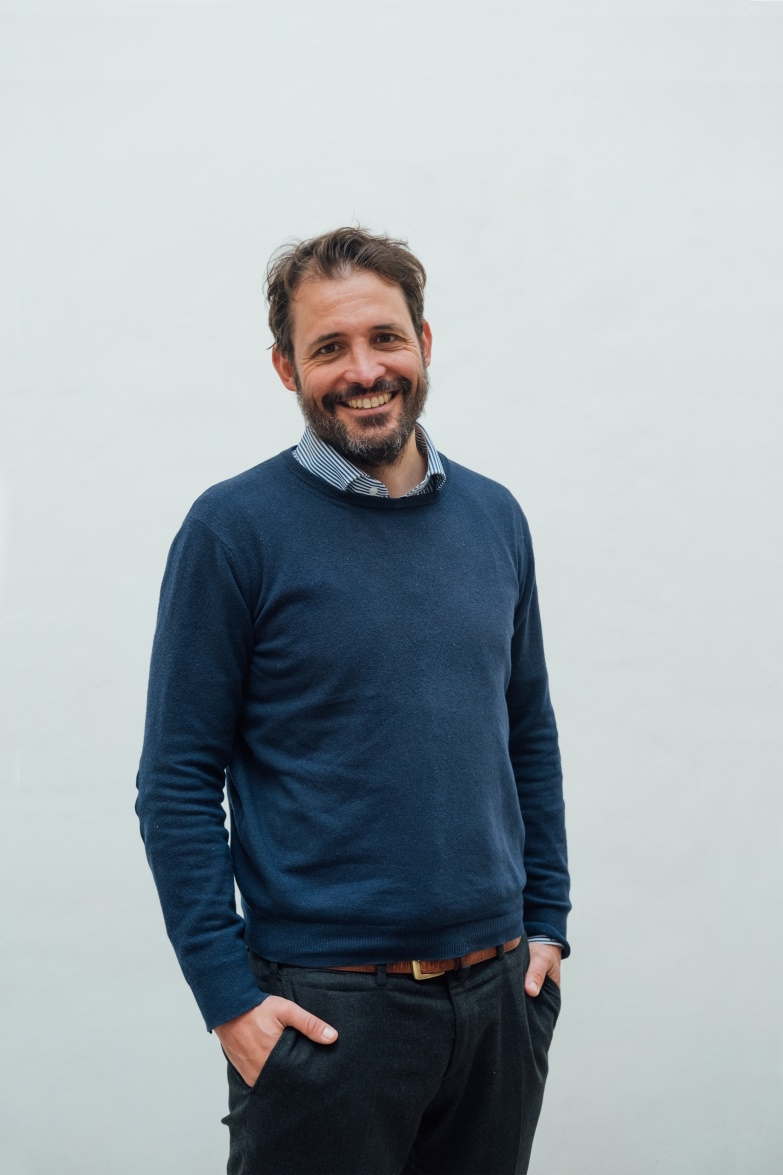
Cristian Pisetta, Export Manager
Export Manager with over two decades of leadership experience in the global wine and spirits industry. Combines a strong academic foundation - a five-year degree in Agriculture from the University of Padova, studies in Plant Science at the University of Reading (UK), and a Wine Master’s degree from MIB School of Management in Trieste — with deep commercial expertise. Currently directs the majority of export markets for Alois Lageder, driving sustained growth and brand expansion and recognition across Europe (including Germany, Austria, Luxembourg, the Czech Republic, Slovakia, Bulgaria, Croatia, Estonia, Latvia, Lithuania, France, the Netherlands, Belgium, Finland, and Norway) as well as throughout North, Central, and South America, Australia, and New Zealand. Known for driving strategic market growth, leading cross-cultural negotiations, and cultivating enduring international partnerships.
Why We're Cool
Biodynamics
Our goal is to practise agriculture in a way that’s not only healthy but also supports nature in the long term. This commitment has led us to choose the biodynamic farming method.
We have been cultivating our vineyards biodynamically since 2004 and encourage also our 60 vintner partners to adopt organic or biodynamic practices. We are convinced that sustainable agriculture requires great diversity in order to remain fertile and lively in the future.

Cavit
Trentino, Italy
About Cavit
In the early 1990s, one of Italy’s top enologists, Winemaker, and Trentino native, Anselmo Martini, realized the optimum potential of a handful of extraordinary vineyards in northern Italy’s Trentino region. Known for consistently producing the highest quality grapes year after year, this distinctive group of family-farmed vineyards became the source of Bottega Vinai, an exceptional line of estate-bottled, artisan wines that reflects the authenticity of the Trentino terroir.
Representative Biography
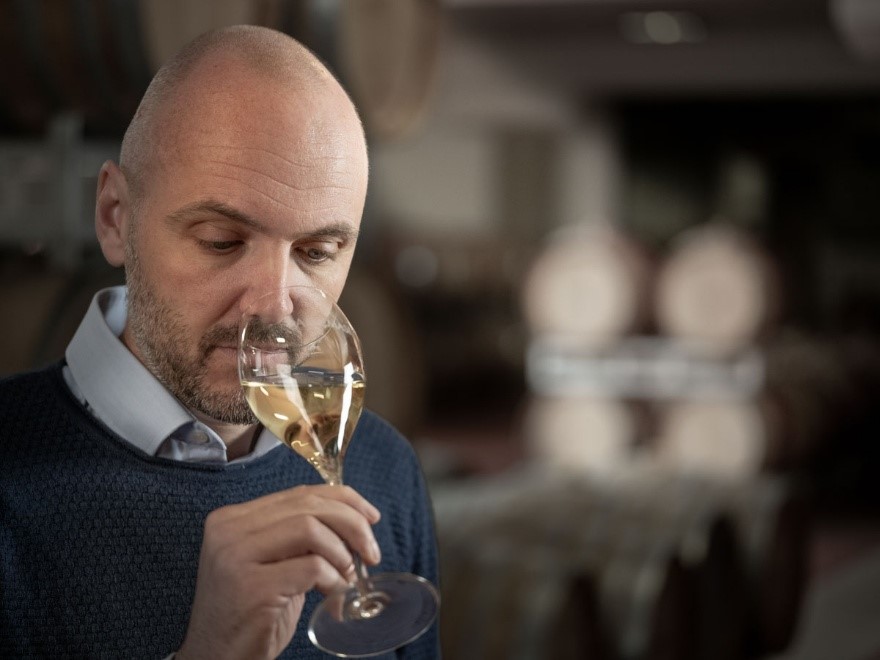
Fabrizio Marinconz, Winemaker
Fabrizio Marinconz, Winemaker
Born and raised in Trentino, he developed a strong connection to the region and its viticultural traditions from an early age.
He earned his degree in Viticulture and Enology in 2005 through the prestigious S. Michele all’Adige Agricultural Institute, in collaboration with Hochschule Geisenheim in Germany, gaining both a solid academic foundation and an international perspective on winemaking.
He joined Cavit in late 2006 as a vineyard technician, a role that allowed him to work closely and consistently with Cavit’s network of winegrowers directly in the vineyards.
This hands-on experience proved fundamental, providing him with an in-depth understanding of vineyard management, grape quality, and the importance of collaboration between growers and winemakers—an essential base for his professional growth.
In 2010, he was promoted to the winemaking team, where he worked alongside Chief Winemaker Anselmo Martini, contributing to the development and refinement of Cavit’s wine portfolio.
Following Anselmo Martini’s retirement in 2020, Fabrizio was appointed Associate Winemaker, assuming a key leadership role within the cellar.
Today, he is proudly responsible for overseeing the production of all Cavit still wines, ensuring consistency, quality, and a faithful expression of Trentino’s terroir across the range.
Patrick Sacha Capellini, North America Business Development
Born and raised in the pretty small town of Udine in the heart of Friuli Venezia Giulia (called also “ il Vigneto d’Italia - the Vineyard of Italy), Patrick started to love the tradition of North Eastern Italy with its unique wine and food specialties when he was still a young kid, thanks to his grandmother, Dina, who owned one of the most popular “osteria” in the heart of the city.
After a graduation in Political Sciences with Economic direction, he spent 10 years developing a successful career in international sales and marketing areas and finally in 2005 he decided to follow his first love, approaching wine not only as a lover and connoisseur but from a sales perspective.
He joined the winery from the area of D.O.C. Grave del Friuli, Piera Martellozzo developing the markets of North and South America.
This experience gave him the possibility to be selected by the bigger grower of Friuli, the Fantinel winner as Export Manager for Canada and the U.S.A., after he moved to Toronto.
Patrick has a level 2 WSET certification issued by Brock University and he is now the Business Development Manager for Cavit S.C. that represents the most imported Italian Winery in North America.
Why We're Cool
The land in Trentino is very special and totally unique in Italy: in a relatively limited area, completely different microclimates and geographical conformations co-exist and integrate perfectly with one another. The region spans a long, narrow valley, extending south from Italy's Alpine border with Austria to the northern shores of Lake Garda and flanked to the east by the magnificent Dolomite Alps. It is these Dolomite Alps that define the landscape and the character of the Trentino Chardonnay. The majestic mountains leave anyone in their presence in awe. The high altitude in the mountainous region creates a large difference in temperature between day and night. It is this large daily change in temperature that creates the fresh, delicate and fine bouquet of our Chardonnay.
Chardonnay was introduced in Trentino in late 800 and found such a favourable environment to represent one third of the production potential of the province. Chardonnay cultivated in Trentino is one of the most respectful in the world as concerns the original character of this Burgundy, France, variety.
Blomidon Estate Winery
Nova Scotia, Canada
About Blomidon Estate Winery
Blomidon Estate Winery is a boutique winery nestled on the shore of the Minas Basin, near Canning, in the picturesque Annapolis Valley of Nova Scotia. Our beautiful seaside setting offers a unique location for viticulture, as well as a scenic stopping point for our many visitors.
We are committed to producing 100% Nova Scotia grown grapes and wines, and are proud to have won numerous national and international awards and acclaim for our efforts. We invite you to join us and to discover our Nova Scotia wines.
Representative Biography
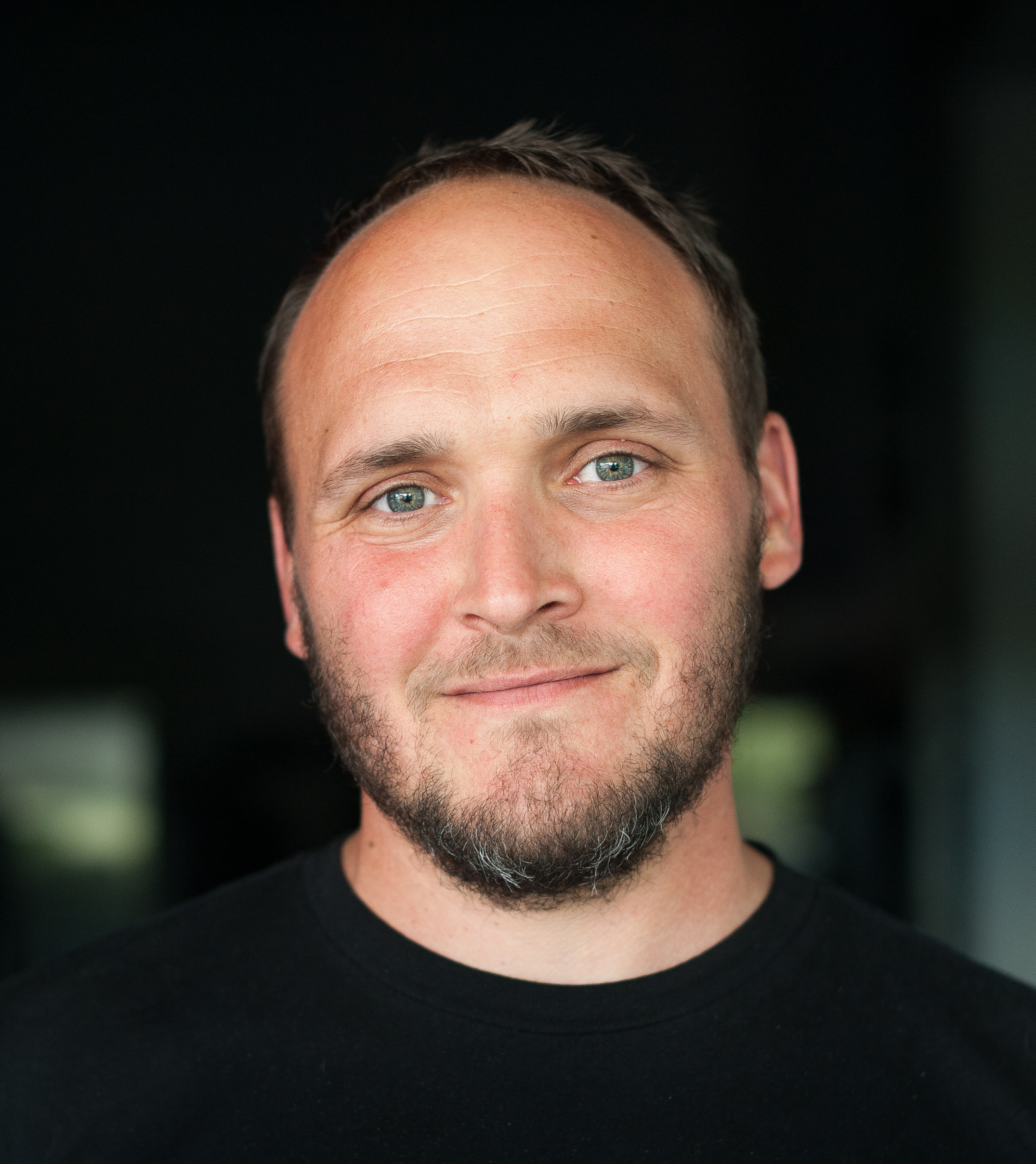
Simon Rafuse, Winemaker/Operations Manager
Our winemaker, Simon Rafuse, travelled the world for his wine education and work experience but was excited at the opportunity to return to his native Nova Scotia.
He attended Mount Allison University and graduated with a Bachelor of Science before earning a Master of Science degree at the University of Kent (UK) and a Master of Viticulture and Oenology degree at Montpellier SupAgro (France). He also holds the Diplôme National d’Oenologue (France).
Since 2009 he has been the Winemaker at Blomidon Estate Winery, having worked previously in Languedoc-Rousillon and Alsace (France), and Central Otago (New Zealand), and his wines have won numerous national and international awards and accolades. Simon is also an instructor with the Atlantic Canada Chapter of the Canadian Association of Professional Sommeliers.
“What better ‘desert island’ wine can there possibly be than a crisp, complex, Blanc de Blancs sparkling wine? There isn’t. There simply isn’t. Chardonnay delivers every time.” Simon Rafuse
Why We're Cool
Blomidon Estate Winery farms two vineyards, just outside the town of Canning, Nova Scotia (45’N), our estate vineyard and our Woodside Road vineyard. The estate property sits at sea level on the shore of the Minas Basin and the Habitant River estuary, where the soils are predominantly sandy loam and the near constant breeze helps reduce frost and disease pressure. Woodside Road runs along the base of the North Mountain, a basalt ridge that forms the north boundary of the Annapolis Valley. The soils are there are a heavier red clay-loam with basalt stones. It’s warmer than the estate vineyard but can be more frost prone. The Woodside Road vineyard rises to an elevation of 60m above sea level.
At the Blomidon estate vineyard, we’re extremely fortunate to have the oldest block of Chardonnay in Nova Scotia as the backbone of our Chardonnay program. The 5 acre “Old Block”, as we call it, was planted in 1996 with a mix of clones. It sits on a gentle slope at the bottom of our vineyard, right on the shore of the Minas Basin. Our vineyards are significantly influenced by two bodies of water: The Bay of Fundy and the Atlantic Ocean. Both moderate our climate be delaying budbreak in the spring due to their cold waters and tidal movement, but also by preventing frost in the fall.
Typically, in Nova Scotia, Chardonnay will be picked in the second or third week of October for sparkling and as late as November for still wines. While we make sparkling wine every year, the still wines are only made in better vintages when the conditions allow for the longer hangtime. With such a cool growing season, the wines are lightly structured and elegant. We use a mix of stainless steel and older oak for both still and sparkling, and generally allow for up to a year of lees ageing. All our Chardonnays are whole cluster pressed.
Our goal is to work with the best fruit possible through careful attention in the vineyard, and to make pure, lithe, and defined Chardonnays that are true to their Maritime terroir.
Domaine Laroche
Chablis, France
About Domaine Laroche
Domaine Laroche in a few words.
• Owner of 90 hectares, in the best « crus » of Chablis with 12 Premiers Crus and 4 Grands Crus, Chablis Saint Martin is the flagship in more than 90 countries.
• More than 1000 years of History. In l’Obédiencerie, birth place of Chablis in the Middle Age.
• Cellars from the IXth century
• Their XIIIth century press is one of the most remarkable masterpiecs in the burgundian wine-producing region
• The Saint Martin relics were hidden for a decade at the end of the IXth century.
• The historical cellars are kept alive by ageing all our premier and grand crus there.
• The favourite ageing containers are the 228l « piece » and the « demi-muids ».
• Domaine Laroche follows the agro ecological principles: no pesticide & no herbicide
• The vineyard has got the high environmental value certification level 3A
• All estate wines are vegan certified
Domaine Laroche is on the TOP 100 of Wine & Spirits Magazine - among the 15 French estates, among the 5 Burgundy estates, only estate in Chablis
Representative Biography
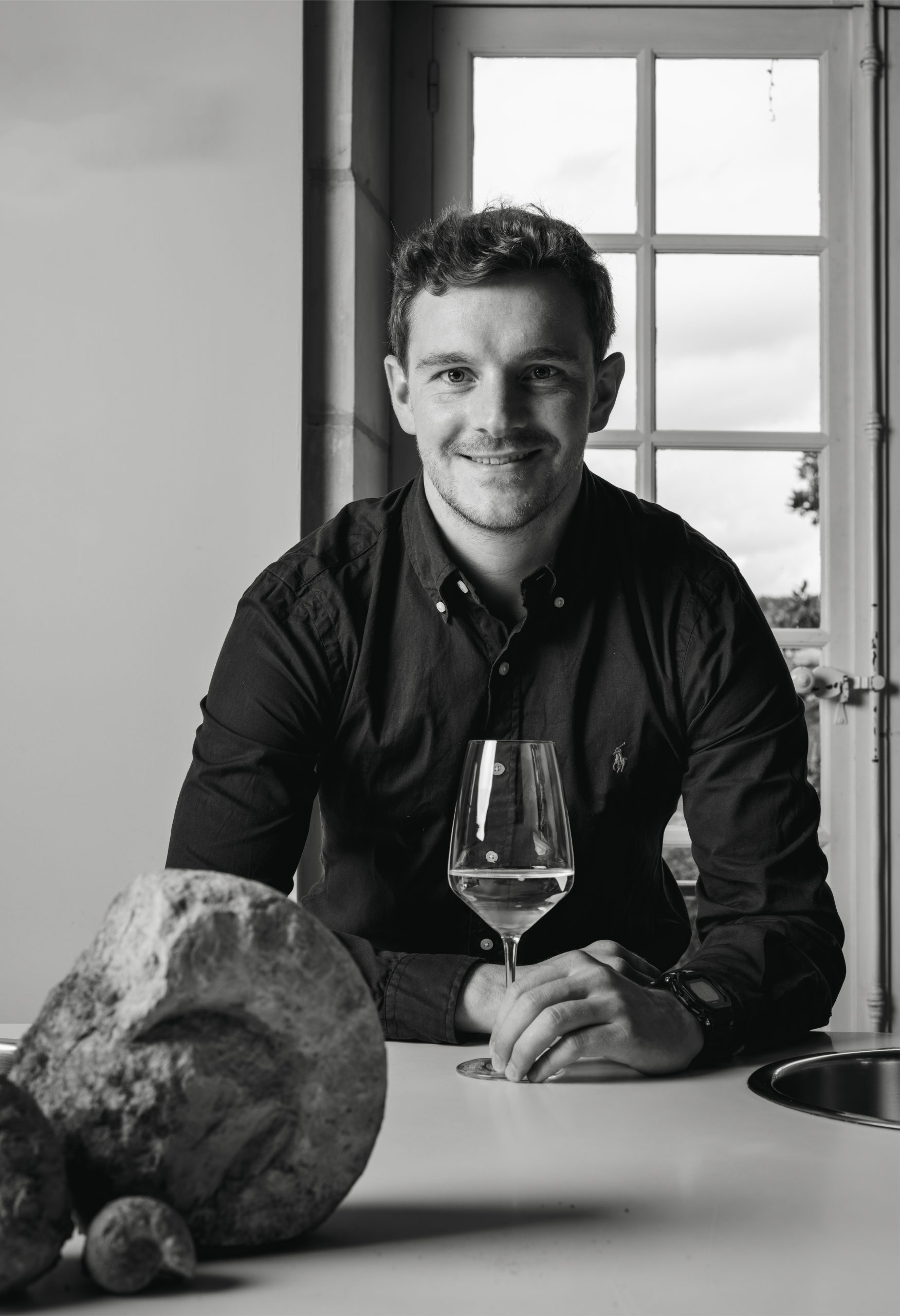
Romain Chevrolat, Winemaker
Romain Chevrolat comes from a family of Champagne winemakers, originally from Les Riceys, a commune renowned for its famous Rosé-des-Riceys wine, located nearly 50km from Chablis.
Growing up in the southern Champagne region soon sparked his interest in the world of wine and led him to begin his university career in Reims.
He graduated as an oenologist from Dijon University in 2015 and trained at Maison Louis Latour and Domaine de la Romanée-Conti.
From Champagne to Burgundy, Romain then moved down to the Rhône Valley to work at Domaine E. Guigal as an oenologist in 2018.
After some great successes over the last 5 vintages, he wanted to get back to the Kimmeridgian subsoil that is typical of Chablis and similar to his roots in Les Riceys.
He has joined Domaine Laroche since the beginning of July 2023 to continue revealing the exceptional terroirs and finesse of the wines.
Why We're Cool
Chablis is located in northern France in a cool continental climate region, Burgundy. Winter can be harsh. Summer is often warm but short. The blessing of the place is probably that a dry, sunny period appears in September, when grapes ripen. Cool climate is a question of terroir in Chablis. Chablis is born cool. The climate definitely influences the style of the wines: steely, pure, crisp and remarkably mineral.
Domaine Laroche vineyards are situated in the North of Burgundy, in the Yonne department, between Paris and Beaune, close to Champagne
Appellations & Planted areas (ha) – total 5589ha
Petit Chablis : Planted area (ha) 1082/19%
Chablis (yield 60 hl/ha) Planted area (ha) 3626/66%
Chablis Premier Cru (17 climats, yield 58 hl/ha) Planted area (ha) 780/14%
Chablis Grand Cru (7 climats, yield 54 hl/ha) Planted area (ha) 101/1%
Chablis Vineyards
• 100% CHARDONNAY
• 5589 Hectares
• 284 147 hl Annual Production
• 379 Producers
• 33% of Burgundy white wines
• 18% of the total Burgundy wine production
The typical Chablis limestone soils of Kimmeridgien with the presence of fossils and exogira virgula. Continental climate with cold winter, spring frost, warm summer and mild autumn.
MASSALE SELECTION
Domaine Laroche is one of the few producers in Burgundy to preserve its own vineyard ID
Reproducing new plants from our old vines from more than 50 years:
• To keep the vineyard genetic inheritance
• To keep and improve our wines characteristics (aromas,..)
• To respond to the sanitary issues and wood diseases thanks to genetic diversity
• To ensure the durability of our vineyard by cloning our old vines and adapt to new climate conditions
• The program started in 2011 observing the vineyards from 1950 in Chablis Grand Cru Les Blanchots. This Massale Selection was planted in 2018 in Chablis Grand Cru LES CLOS
Biodynamics methods on the Grands Crus
Why: Use the soil and the environment of the vine as a source of energy for the plant to strengthen its immunity and
its adaptation to climate change
How: Creation of a Biodynamic workshop at the Estate / Training of the team
Preparation in our historical cellars : 500P(cow dung) then dynamization with plants (yarrow, chamomile
feverfew, oak bark, dandelion, valerian)
Spraying on moist and heated ground
When: 2 to 3 times a year: after harvest, at bud burst, between flower and veraison.
Natural Seeding Cover
• After the harvest, the technical team sows a mix of seeds : Oat, Peas, Chinees radish, Turnip, Lentils
Benefits for vineyard:
✓ To stimulate the ground biodiversity
✓ To bring naturally nutritional elements to the vine in the springtime when dismantling the soil (nitrogen)
✓ To reduce erosion as 35% of our vineyard are planted on the steep hills
✓ To give a better structure to solid soils because of the use of heavy machines (natural aeration of the ground)
The Evolution of Pruning
Why: The winters being less cold, the vine has a shorter rest period and an early budburst.
The late frosts in Chablis prompted us to adapt the size of the vineyard.
How: Pre-pruning in double guyot from December to February to prepare the fruiting baguette Peeling
(known as “Plumage” in Beaune) to delay budding in March
Biodiversity is our priority
• Domaine Laroche is the only Estate in the region (Yonne department) to have signed a partnership with the league for birds protection. 10 bird nests have been installed in Vaudevey.
• We therefore take part in the reintroduction of the Athéna owl in our vineyards which has the capacity to eradicate up to 400 worms to replace the use of insecticides.
• Bat houses have been installed in Languedoc
Boschendal Wine Estate
Elgin, Overberg, South Africa
About Boschendal Wine Estate
Boschendal lies between the Simonsberg and Drakenstein mountains an hour’s drive from Cape Town. The name Bos-en-dal, or wood and valley, reveals its essence: a breathtakingly beautiful valley basin of 1800 hectares. Location, the sheer scale, natural splendour and history make exploring Boschendal compelling. It beguiles and inspires wonder with its unique spirit of place.
One of the most established and iconic wine estates in South Africa, Boschendal constantly strives to balance tradition and innovation in wine making, appealing to a new generation of wine lovers whilst continuing to create wines with signature finesse and elegance – where one can taste the terroir in each glass.
With cottages scattered across the vast expanse and changing landscapes of the property, guests have a chance to immerse themselves into the many layers of South Africa’s second oldest wine farm. Dating back to 1685, Boschendal is a place where generations of families have worked. It is these combinations of stories and histories, mythical landscapes and mysterious mountains that compel repeat visits. Great places need time for understanding and the unravelling of their complexities.
Located near the Franschhoek Valley deep inside the Cape’s Floral Kingdom, it is a place where over 600 species of fynbos and 1000 hectares of protected nature reserve intertwine with our fruit orchards. It is a spectacular, bio-diverse environment. It is a place where grass-fed Angus cattle, forest-fed pigs and free range chickens work alongside our farmers to replenish and revitalise the soils. It is a place where our ducks help gardeners grow exquisite bio-dynamic produce for our two restaurants – we very much like the idea of farming and cooking with nature, and not against it. It is a place where guests can swim in our dams and feel comfortable picking fruit from our orchards – we like sharing our extraordinary produce. The only choice to make is whether to explore this magical place by foot, by pedal or by horse.
We recognize the uniqueness of this place as there are few places like it and feel strongly that this exceptionalism should define every guest experience. Experiences that replenish, re-energise and reveal the magic of farm living.
There is something special happening at Boschendal. We hope to see you on the farm soon!
Representative Biography
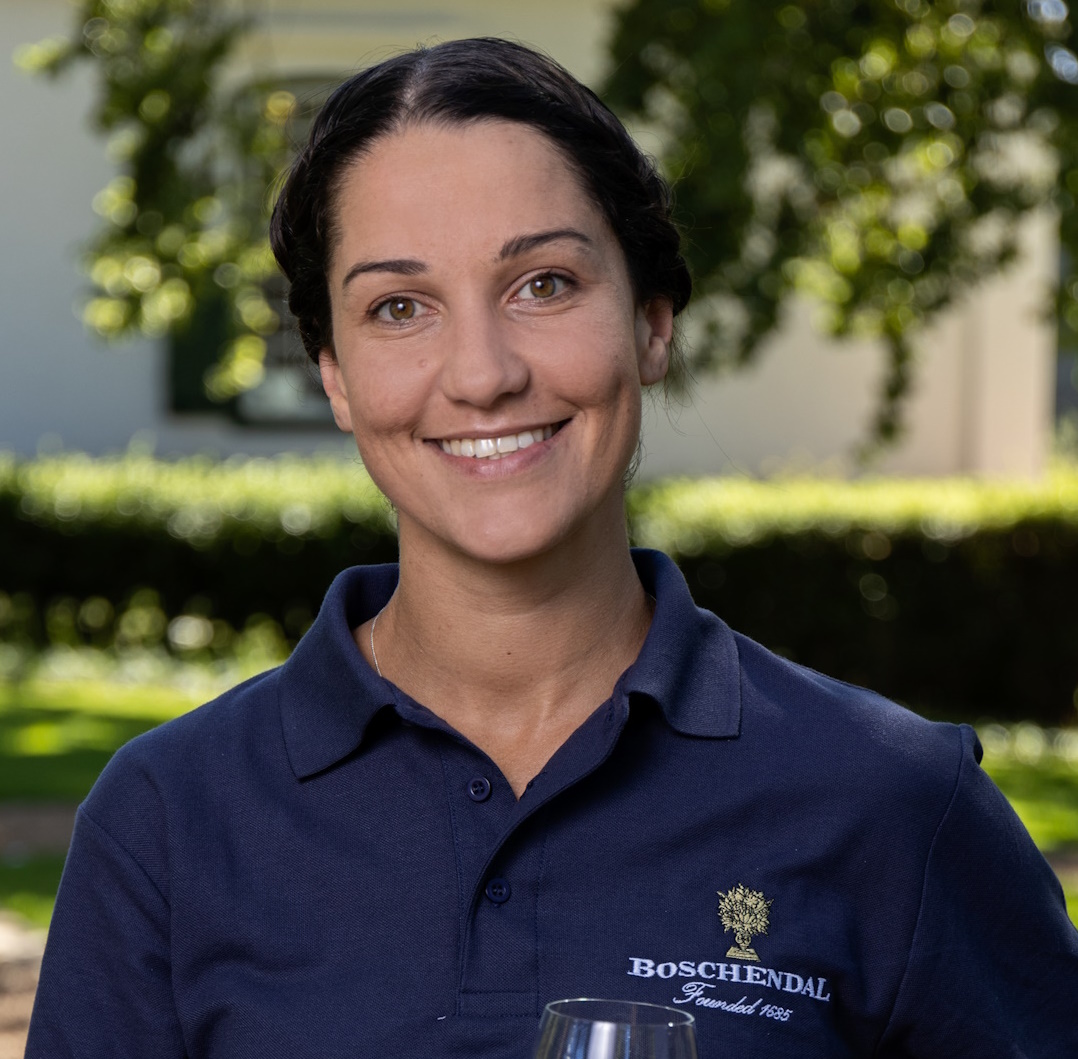
Danielle Coetsee, Winemaker
For a lucky few, there is a definitive moment when the world quietly slips away, and all that remains is an inspired instant between you and the wine that leaves you awestruck. For others, it's a special memory that confirms your love for wine. For Danielle Coetsee, White Wine Winemaker at Boschendal, it was a combination of both.
At just 11 years old, Danielle's uncle inspired her to be a winemaker with his tales of studying winemaking and viticulture from Elsenburg. Yet, it was not until Danielle's first harvest and tasting through some particularly memorable wines that a deeper love for winemaking blossomed:
"Reaping the reward after months of hard work is a profound moment for any winemaker. I've also been majorly influenced by some incredible wines I've had the privilege of trying, including a2010 Chilteau de Myrat Sauternes Grand Cru, a 2007 Casters del Siurana Priorat Miserere, a 2013 AA Badenhorst White Blend and of course, the 2008 Boschendal “Jean Le Long".
While studying viticulture and oenology at Elsenburg Agricultural Training Institute, Danielle had her first encounter with the camaraderie and openness that exists within the wine world. This spirit of community and willingness to share knowledge motivated her to continue along with her vocation.
Before Boschendal, Danielle was the winemaker and farm manager at a boutique winery for several years and it was during this formative time that Danielle cemented her approach to winemaking. "It may sound super cliche, but it still rings true - you need good grapes to make good wine. You can make bad wine from good grapes, but you cannot make good wine from bad grapes," she explains. Beyond that, she believes that meticulous attention to detail and a "kick-ass palate" are cornerstones to sound winemaking.
Why We're Cool
The grapes for the Boschendal Appellation Elgin Chardonnay and Pinot Noir are from the cool Elgin region of South Africa. Elgin is one of the coolest wine growing regions in our country and only 40 minutes from Cape Town and 15 kilometres from the Indian Ocean.
80% of the land in Elgin is used for apple and pear production, but what makes the region suitable for apples and pears, makes it even better for wine. The cooling afternoon sea breezes have a major cooling effect in this region. The valley is elevated (200 -500 metres altitude), but also surrounded by mountains, so at night all the cool air moves down to the elevated valley. In summer when the south east is blowing, the clouds builds up against the mountains which results in more cloud cover and thus reducing canopy temperature.
In South Africa where we have warm and sunny weather, this is good for quality. It is this proximity to the ocean with the daily cooling sea breezes, the slightly higher altitude and a bit of extra cloud cover that make Elgin such and great area to produce premium Chardonnay and Pinot noir. This cooler grower conditions results in slower ripening and effectively a longer hanging time on the vine.
Most of our vineyards in Elgin is planted on weathered shale soils. These soils have a very good water holding capacity due to the higher clay contents and only needs supplementary irrigation in the very dry summers. The average rainfall in Elgin is around 900 mm, and most is in the winter months, but we do also get summer rain.
The Boschendal Appellation Elgin Chardonnay 2018 is from our own Highfield farm in Elgin. Our Chardonnay vineyard is trellised and was planted in 2004. There are two clones in this vineyard CY 76 and CY277 with both origins in France. The Chardonnay vineyard is planted on a cool southern slope and exposed to the regular south- eastern and southerly winds that bring cool air every afternoon.
We do partial barrel fermentation in French Oak barrels. 15% in new 300 litre barrels, 20 % in 2500 litre Foudre’s, 35% in second fill 300 litre barrels, and 30% in 3rd fill 300 litre barrels. 30% of the wine went through malolactic fermentation. We get very good minerality form this vineyard, as well as great structure and length, with complex flavours. The most pronounced flavours apart from the minerality and slight flintiness is the citrus, lemon, grapefruit and some tropical notes.
The Boschendal Appellation Elgin Pinot Noir 2016 is from the highest planted vineyard site in Elgin. This vineyard is 500 metres above sea level. We have both clones PN777 and PN115 in this vineyard. The vineyard is on top of a hill and very exposed to cooling winds. Due to the altitude and cooler breezes the yield in this vineyard is very low (5 t/ha). The vineyard is fastidiously managed to achieve classic varietal character.
The Jean Le Long 2008 grapes are from two Chardonnay vineyards. The one vineyard is on the higher slopes of the Simonsberg, and the other vineyards from a cool site in Stellenbosch very close to the Indian Ocean and very exposed to cooling see breezes.
i4C 2026 Presenting & Grand Cru Sponsors